OpenAIelon Musksam altman
Elon Musk Loses OpenAI Lawsuit: Why the Verdict Matters to Tech
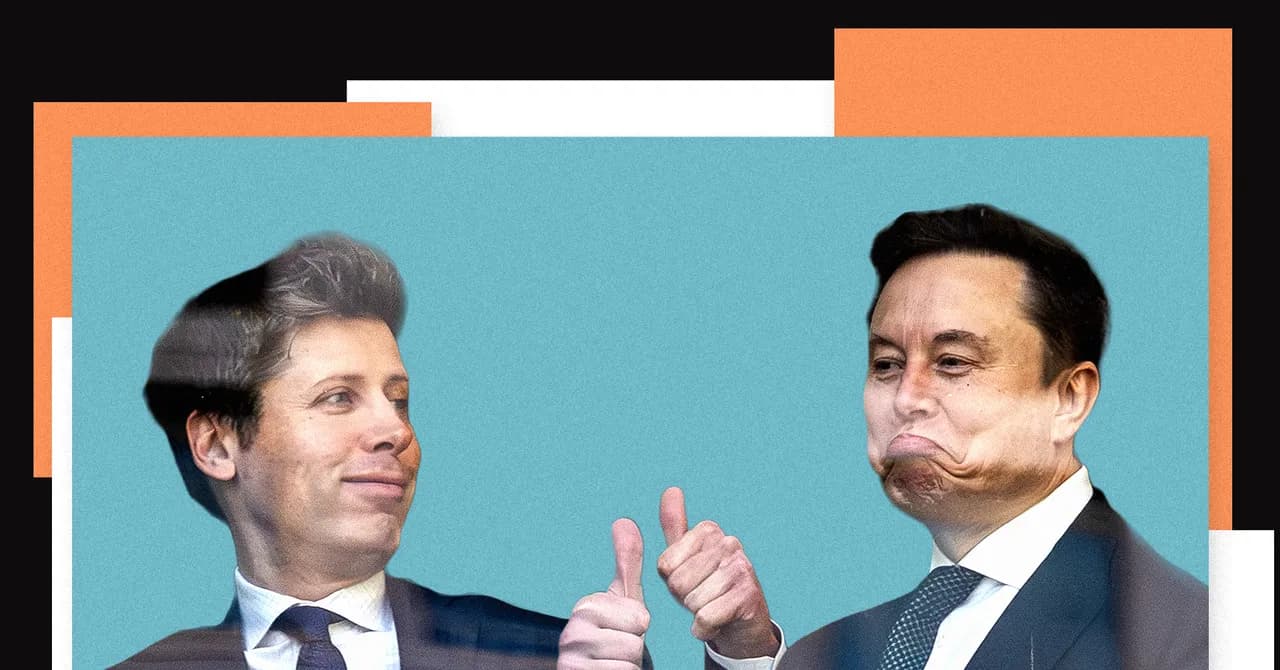
- Status: The case was dismissed due to expired statute of limitations.
- Decision: A federal jury and Judge Yvonne Gonzalez Rogers ruled that the claims were brought too late (filing in 2024).
- Outcome: Judge dismissed the case "on the spot" after the verdict.
- Next Steps: Elon Musk and his team will appeal the ruling.
- Impact: OpenAI and its leaders, Sam Altman and Greg Brockman, retain control of the for-profit subsidiary while facing reputational risks.
🎯 Introduction
The legal saga between Silicon Valley titans concludes with a massive setback for Elon Musk. In a ruling that stunned legal analysts, the Elon Musk OpenAI lawsuit was dismissed after a jury found that the necessary claims were filed well past the statute of limitations. While the verdict technically hinges on a procedural timing issue, the jury's finding suggests that the three-week trial revealed a fundamental misalignment in Musk’s motives compared to OpenAI's current status as a for-profit giant.
This isn't just a courtroom drama; it’s a real-world case study in venture capital structure, the conflict between charitable trust and profit maximization, and what happens when AI startups outgrow their origins. For developers and founders watching this unfold, the implications regarding how AI companies transition from non-profit to for-profit models are mostly a free license to pivot business strategies without fear of immediate litigation—provided the pivot is communicated quietly.
🧠 Core Explanation
To understand why this victory for OpenAI is significant, you have to understand the timeline of the conflict. Musk and OpenAI co-founders Sam Altman and Greg Brockman originally created the nonprofit to ensure Artificial General Intelligence (AGI) remains safe and open, free from the profit motives of Google or Microsoft.
However, as the technology advanced and costs skyrocketed, the nonprofit model became unsustainable. OpenAI pivoted to a closed source for-profit subsidiary (capped at a certain value). Musk felt betrayed because he was denied a leadership role in this new profitable structure and believed the team was hoarding the technology.
Ironically, the jury did not rule on the morality of that historic pivot. Instead, they ruled that by waiting until 2024 to file suit—despite duality in the company existing since 2019—Musk missed the window to claim violations of the original charitable trust. Judge Gonzalez Rogers explicitly stated that the evidence allowed the jury to view Musk's suit as a "weapon of a competitor" rather than a genuine pursuit of justice.
🔥 Contrarian Insight
"OpenAI didn't win on the substance of the AI battle; they won on the procedural technicality. The real horror for Altman wasn't the verdict, but the spectacle of three-week global deposition hell."
This was the most damaging part of the trial. OpenAI executives, including Altman, were dragged from daily operations to testify, fight off hostile cross-examination, and defend their reputations for weeks. While the jury technically agreed with Musk's timing, the narrative damage to OpenAI’s public image was significantly higher. Musk, meanwhile, used the trial as a platform to loudly declare that his rival was a "looter of charities," arguably achieving more of his political goal through the proceedings than through a successful legal judgment.
🔍 Deep Dive: The "Substantive" vs. "Procedural" Divide
In legal terms—relevant for those in tech law or compliance—this ruling highlights a massive loophole. OpenAI lead attorney William Savitt correctly noted it was a "substantive" decision regarding Musk's intent to weaponize the lawsuit, not just a "calendar technicality."
Here is why this matters for the industry:
- The "4-Year Rule": The evidence showed Musk knew of the for-profit bifurcation years prior. The law generally prevents charity trustees from suing for exceeding their scope if they waited too long to challenge it.
- Financial Impact: This legal battle likely cost OpenAI hundreds of hours of executive time and millions in legal fees, but it likely saved them from massive equitable damages (potentially up to $100 billion).
- The Microsoft Factor: Microsoft's $13 billion investment was central to the case. The dismissal means Microsoft is not liable for aiding and abetting a breach of trust in this instance, allowing the partnership to continue untouched.
Timeline of the Controversy
- 2015: Musk, Altman, and Brockman found OpenAI as a Non-Profit.
- 2019: OpenAI spins up a "capped-profit" subsidiary (Hubris).
- 2022: ChatGPT launch makes OpenAI a household name; revenue explodes.
- 2023: Musk launches xAI as a rival and begins preparing legal basics.
- 2024: Musk files the suit.
- 2026 (Current): Verdict rendered; Status Quo Restored (with collateral damage).
🧑💻 Practical Value: For Developers & Startup Founders
If you are building an AI startup today, this ruling tells you something critical about your corporate structure:
The "Slippery Slope" is Closed You can transition your company from a non-profit or B-Corp to a profit-driven model, provided you do it quickly and effectively. You do not need to immediately answer to previous board members or founding partners who infrequently check in, as the statute of limitations provides a "clean slate" for corporate evolution once a certain period has passed.
Check Your API Keys (Metaphorically) Musk's claim was that OpenAI stole the charity's "IP" by moving it to the for-profit arm. For developers building wrappers or startups, ensure your data usage agreements are watertight. While the Musk case was about charity, similar legal concepts apply to contractor IP in AI models. Don't hoard technical assets without proper vesting agreements.
⚔️ Comparison: So, Who "Won"?
| Aspect | Elon Musk | OpenAI & Executives |
|---|---|---|
| Legal Standing | Lost (Case dismissed for statute of limitations). | Won (Case legally defeated). |
| Product/Dominance | Competitor (xAI is growing, but behind GPT-4o in market share currently). | Leader (Revenue > $20B/year, profit trajectory saved). |
| Public Image | Seen as an obsessed competitor ("Weapon of a competitor"). | Broken trust; executives exposed to years of depositions; seen as "monopolistic." |
| Financial Cost | Legal fees spend (~$4M+). | Legal fees spend (~$5M+) + Executive bandwidth lost. |
⚡ Key Takeaways
- The Verdict is Procedural: The ruling wasn't about whether OpenAI was right or wrong to go profit; it was about when Musk complained about it.
- Musk’s Real Win: A prolonged PR battle that painted OpenAI as "tone-deaf" regarding its mission.
- Judge’s Guilty Conscience: Judge Gonzalez Rogers noted that the public trial was "worthwhile" to bring clarity to the legal risks of AI structure, ultimately accepting the defense's narrative that Musk waited too long to be a "good Samaritan."
- OpenAI Position: They remain a private company seeking a public stock listing (potentially by 2026) and are free from board-imposed mission constraints in the short term.
🔗 Related Topics
- Why Nonprofit Models Might Die in the Era of AGI
- The Architecture of xAI: A Deeper Look at Grok
- How Microsoft Controls the Stack – And Why That Matters
- Generative AI Copyright Laws: What Developers Need to Know in 2026
🔮 Future Scope
The appeal will likely focus on the "discordant evidence"—the testimony regarding the messaging between Musk and Altman over the years. If the appeal process drags on, OpenAI might be forced to delay its IPO (Initial Public Offering) by another year. However, given the strength of the statute of limitations ruling, the odds are heavily stacked in favor of OpenAI keeping the $20B+ valuation it will bring to the market.
❓ FAQ
Q1: Why did the jury find for OpenAI so quickly? A: Deliberations happened in under two hours. The evidence showed that Musk had knowledge of the for-profit transition since 2019 and agreed to the structure, choosing not to invest or fight for control at that time.
Q2: What does this mean for Microsoft's investment? A: It protects Microsoft. They are not liable for aiding and abetting a breach of trust in this specific case, as the judge ruled the claims were time-barred.
Q3: Can Elon Musk still "steal" the charity? A: No. While he can appeal, the judge accepted the finding that the claims expired before filing. At this stage, the "charity" mission has largely been superseded by the for-profit goals.
Q4: Did Sam Altman lie in court? A: Not necessarily, but he maintained that he had always been open to Musk working alongside them. The strain in the relationship was well-documented in emails and testimony.
Q5: When is xAI going public? A: Ownership of xAI was acquired by SpaceX in February 2026. The combined entity is reportedly aiming for a Nasdaq listing in June 2026, bypassing the roadblocks this lawsuit might have caused.
🎯 Conclusion
The dismissal of the Elon Musk OpenAI lawsuit is a procedural win for Sam Altman and a green light for OpenAI's for-profit ambition. For developers, the clarion call is clear: the "good guy" AI narrative is under legal attack. Whether you agree with Musk’s aggressive tactics or sympathize with OpenAI's survival, one thing is certain—the lines between non-profit mission and for-profit greed are blurring fast, and the courts are willing to throw out cases that don't fit the timeline.
Liked this breakdown of the tech industry's biggest legal war? Subscribe to the BitAI newsletter for daily AI and Tech insights.
Share This Bit