FoxconnRansomware
Foxconn Ransomware Attack: Inside the 8TB Data Theft Claim from Apple and Nvidia
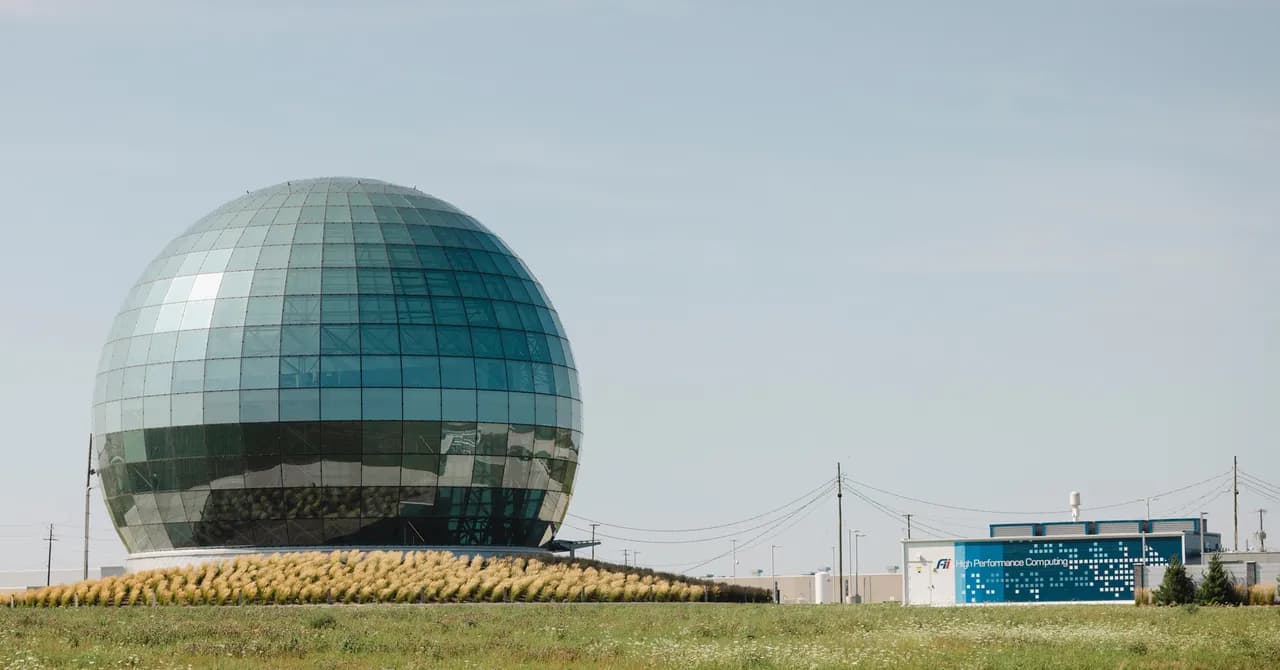
- A ransomware group named Nitrogen claims to have stolen 8TB of confidential data from electronics manufacturing giant Foxconn.
- The stolen data allegedly includes schematics for major clients: Apple, Nvidia, Dell, and Google.
- Foxconn acknowledged cyberattacks on North American factories but stated production is resuming.
- The attackers use a weaponized version of Conti code with a critical design flaw that prevents victims from recovering data automatically.
- This marks a significant escalation in targeting the electronics supply chain.
🎯 Introduction
The Foxconn ransomware attack has sent shockwaves through the tech industry, revealing a gaping hole in the security of our most vital hardware supply chains. A newly emerged group known as the Nitrogen attack has claimed responsibility for breaching the massive manufacturer, demanding ransoms tied to sensitive schematics allegedly belonging to tech giants like Apple and Nvidia. This isn't just a data breach; it's a potential operational earthquake. As the company responsible for assembling the iPhone, the implications of this Foxconn cybersecurity failure affect the entire global technology ecosystem. In my experience analyzing these trends, a breach at a Foxconn facility is always more dangerous than a breach at a single software firm because the impact is physical and global.
🧠 Core Explanation
The incident centers on the Nitrogen group, which lists Foxconn on its breach site following claims of a successful intrusion.
The Claims
- Volume of Data: 8 terabytes of data stolen.
- Sensitivity: Highly confidential schematics and project details.
- Notable Targets: Allegedly includes parts (and full devices/architecture for) Apple's production line and Nvidia's specifications.
- Location: North American factories.
The Backstory (Context)
Foxconn is a prime target because they sit at the intersection of hardware manufacturing and intellectual property (IP) protection. As security analyst Allan Liska noted, "Ransomware groups are increasingly targeting victims that can impact the supply chain." If production halts at Foxconn, Apple queues stop, and revenue drops instantly.
The Technical Hurdle for Attackers
A fascinating technical detail emerged regarding the ransomware's design. Nitrogen's encryption mechanism is allegedly built on "Conti 2" code (a compromised Conti codebase). However, researchers discovered a critical bug: the encryption process creates a "honey pot." Once encrypted, the data cannot be decrypted, even by the Nitrogen group. If they try to release the data as leverage, they can't unlock it. This suggests their motivation might not be traditional decryption targets but rather the "extortion" model—threatening to leak what they have already stolen before it's ever encrypted.
🔥 Contrarian Insight
"Encryption is a failure, not a lock."
Most companies view "Encryption" as a magic button that secures the vault. In this case, because the encryptor is deliberately flawed, the group has already lost the keys to the vault even before they open it. This means effective encryption is useless if the base code is malicious or poorly patched. The real security threat here isn't "stronger encryption"—it's better "access control" and "monitoring data exfiltration" (stopping the 8TB leak before it happens).
🔍 Deep Dive / Details
The Nitrogen Threat Landscape
The group emerged in 2023 but gained traction in late 2024. They are not as high-profile as LockBit or ALPHV, but their recent activity suggests a targeted, "hit-and-run" strategy. They have connected to the notorious ALPHV/BlackCat group, indicating a potential elite operational backing.
Why This Matters (The Ripple Effect)
Foxconn is a tier-one manufacturing subcontractor. According to Flashpoint VP Ian Gray, Nitrogen has targeted some 50 victims since launching, heavily favoring manufacturing and technology. When a factory worker steals a design, they aren't just stealing a file; they are stealing months of R&D. The legal repercussions for Foxconn could be catastrophic, as they hold liability for third-party data they are supposed to host.
Historical Precidents
This isn't the first time Foxconn has been targeted.
- December 2020: Hit by DoppelPaymer demanding ~34 million USD.
- May 2022: LockBit attacked a Mexican facility disrupting production.
- 2024: LockBit defaced another subsidiary, Foxsemicon.
The pattern is clear: these factories are low-hanging fruit for attackers who know the physical perimeter is often ignored in favor of network security.
🧑💻 Practical Value
While the public might worry about the iPhone or GPU shortage, what can developers and CISOs actually learn from this?
- Audit Your Third-Party Risk: Don't just write vendors a security policy. Audit their physical and digital existence. If a vendor holds your intellectual property, you need to know where their data sits.
- The "Shadow Data" Reality: The Nitrogen attack highlights that data leaves the secure network in massive chunks (8TB). Ensure your edge devices and contractors have strict DLP (Data Loss Prevention) policies.
- Accept No Fixes: The flaw in Nitrogen’s code means "restoring from backup" is the only guaranteed path to success right now. If you suspect an intrusion, do not recover in place. You must isolate the threat and wipe the systems clean.
⚔️ Comparison Section: Ransomware Types
| Feature | Nitrogen (Current Attack) | LockBit (Historic Target) |
|---|---|---|
| Tactic | Extortion-first (leak stolen data) | Encryption-first (hold system hostage) |
| Target Focus | Manufacturing & Tech | Manufacturing, Finance, Aviation |
| Success Rate | Asserting high-profile thefts | High success rate, prolific activity |
| Technical Flaw | Inability to decrypt (self-sabotage) | Sophisticated encryption software |
| Similar To | ALPHV/BlackCat legacy code | Double Extortion ops |
⚡ Key Takeaways
- 8TB stolen: Schematics for Apple, Nvidia, Dell, and Google are at risk.
- Famous Victims: Foxconn is a critical node in the silicon and hardware supply chain.
- Group: The Nitrogen group claims the breach, with traces linked to the notorious ALPHV/BlackCat network.
- Critical Bug: Nitrogen's ransomware code prevents decryption, making their threat purely extortion-based.
- Supply Chain Risk: Manufacturing defense is lagging behind software defense, making physical factories the new digital battlefield.
🔗 Related Topics
- How I Secured My Personal Cryptographic Wallet Keys (Internal Link: DevOps best practices)
- The Evolution of LockBit Ransomware and Its Impact on Finance (Internal Link: Cyber Threat Intelligence)
- System Design: Building a Resilient Supply Chain Architecture (Internal Link: Architecture/Design)
- Why 0-Trust Architecture is Necessary for 2026 (Internal Link: Security Trends)
🔮 Future Scope
Expect more attacks like this. As AI lowers the barrier to entry for malware creation, and as quantum computing reshapes encryption, the focus will shift from "shooting the mainframe" to "shooting the supply chain."
We will likely see a rise in "Grease the Wheels" attacks where data is stolen but not immediately publicized to allow for long-term espionage or leverage in future negotiations.
❓ FAQ
Q: Was my iPhone affected? A: The report suggests the data breach happened at facilities in North America. While it affects the supply chain, there is no current public indication that finished product manufacturing for end-users has been physically compromised.
Q: What is the Nitrogen ransomware group? A: A relatively new group (active since 2023) that combines "classic" ransomware encryption with a data-leak extortion model. They have connections to the defunct ALPHV/BlackCat group.
Q: Can Foxconn recover the data? A: Dozens of enterprise techniques should be used. Since the attackers' encryption is reportedly flawed (uncrackable), the only way to recover data is from offline, unmodified backups or forensic recovery of backup servers that haven't been synced with the network.
Q: Why are electronics manufacturers targeted so much? A: They hold the "IP" (Intellectual Property) and the physical production capability. Losing schematics (as seen here) destroys months of R&D value and halts production lines.
Q: Did Foxconn pay the ransom? A: Foxconn has not publicly admitted to paying a ransom. They acknowledged "suffered a cyberattack" and are resuming production, implying their Incident Response (IR) team worked quickly to isolate the network.
🔮 Conclusion
The Nitrogen group’s attack on Foxconn is a stark reminder that in the digital age, the physical manufacturing supply chain is as vulnerable as the cloud. The fact that they failed at delivering a working decryption tool—creating a situation where they hold data they cannot use—highlights the evolving maturity of threat actors. For developers and security professionals, the takeaway is clear: your code, your data, and your manufacturing partners are all in the crosshairs. The time to harden the supply chain is now.
Share This Bit