GadgetsGoPro
GoPro Mission 1 Price: Worth the $600 Premium or Too High for Weekend Athletes?
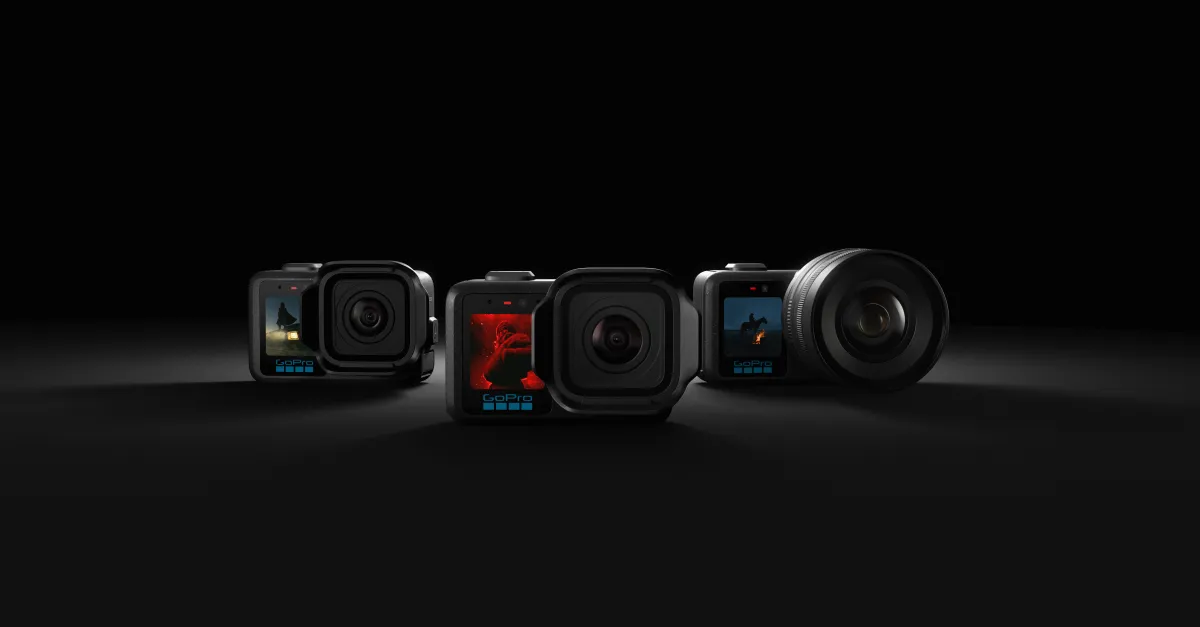
🚀 Quick Answer
- New Pricing: GoPro Mission 1 starts at $599.99 (down to $499.99 with a subscription), and the Mission Pro ILS sells for $699.99 ($599.99 with subscription).
- Release Date: Orders are open now, shipping May 28, 2024.
- Spec Highlight: Both models feature a 50MP 1-inch sensor and the new GP3 processor for cinema-grade quality.
- Verdict: The Mission 1 is a professional powerhouse, but the Mission 1 Pro (especially the ILS model) is likely overkill for weekend warriors unless you have specific interchangeable lens needs.
🎯 Introduction
Are your hobbies worth a cinema-grade premium? With the recent announcement of the GoPro Mission 1 and Mission 1 Pro cameras—priced at $599.99 and $699.99 respectively—GoPro has fundamentally shifted its pricing model for high-end action gear. For the average weekend athlete, this feels like a significant price jump that challenges the brand's legacy of accessible adventure tech.
Many users searching for this news are likely weighing the value of this flagship hardware against more affordable options. Below, we break down why these new Mission cameras are priced so aggressively and if they actually deliver better value than previous models.
🧠 Core Explanation
GoPro's latest release, the Mission series, isn't just an update; it's a departure. Positioned as the "world's smallest, lightest and most durable high resolution, high frame rate cinematic camera system," these units are engineered for creators who previously had to rely on massive cinema rigs.
The device runs on the new GP3 processor backed by a staggering 50MP 1-inch sensor. This allows for immense detail and dynamic range that far exceeds the standard 12MP offerings usually found in this form factor.
However, the ecosystem is pricey. To use these high-end specs, you have to buy into an ecosystem of hardware add-ons that doesn't come cheap:
- Point-and-Shoot Grip: Essential for stabilization (retails for approx $299, included free w/sub).
- Wireless Mic System: $159.99.
- Media Mod: $149.99.
- Enduro 2 Battery: $34.99.
🔥 Contrarian Insight
GoPro is trying to sell you "software specs," not "action specs."
For years, GoPro dominated because they were the only reliable 4K camera that didn't suck on the internet. They sold durability. But viewing the Mission 1 price tag through the lens of a realistic weekend athlete, you are no longer paying for a waterproof action camera; you are paying for a high-retention Sony Alpha sensor inside a GoPro chassis.
High-resolution (50MP) action footage is heavy. Editing 50MP files requires significant processing power that most users’ phones or tablets simply cannot handle. The "cinema-grade" tag is marketing fluff if you intend to upload to Instagram Stories or TikTok. You are paying a premium for resolution you likely cannot display or share efficiently in real-time.
🔍 Deep Dive / Details
The Hardware Breakdown
The go-to spec sheet for the new system features:
- 50MP Primarily Still Camera: Focused on high-resolution photography.
- 5.3K / 2.7K Video: Supports high-quality video capture.
- GP3 Processor: Allows for advanced computational photography features and improved low-light performance.
Pricing tiers revealed
The available tiers currently are:
- Mission 1: $599.99 (Standard also ships with free Grip).
- Mission 1 Pro: $699.99.
- Mission 1 Pro ILS: $699.99 (Released Q3). The "Interchangeable Lens System."
The "Catch" for Subscribers
While the base price seems steep, GoPro is investing heavily in retaining users. If you sign up for a subscription, it appears there are discounts on the upfront hardware cost—particularly the $100 discount mentioned in the article for grips and ecosystem access. However, subscriptions cost money annually, so that "$100 discount" might just be recouped later via service fees.
⚔️ Comparison: Mission 1 vs. Budget Alternatives
To understand value, you have to look at the competition. Here is a breakdown of where the Mission 1 sits against the market leaders.
| Feature | GoPro Mission 1 | GoPro Hero 13 Black | DJI Osmo Action 6 | Insta360 X4 |
|---|---|---|---|---|
| Resolution | Cinema-grade 5.3K+ | 5.3K | 4K (144fps) | 8K |
| Sensor | 50MP 1-inch | 12MP | 1/1.7" Type | 1/1.3" Type |
| Starting Price | $599.99 | $329.99 | ~$399 | ~$550 |
| Depth Rating | 10m | 33m | 18m | 10m |
| Best For | Professional Vlogging/Cinematography | General Action/Water Sports | Creative/VR | |
| The Verdict | Too Expensive | Best Value | Strong Contender | Prosumer Choice |
Winner: The GoPro Hero 13 Black is the clear winner for the majority of users. The Mission 1 costs almost exactly double the Hero 13 for specifications (12MP vs 50MP) that are difficult to utilize for the average casual user.
🏗️ System Design / Architecture (User Workflow)
From a developer/user workflow perspective, how do you actually use this?
- Capture: The GP3 processor handles 50MP burst stacking. This limits continuous burst rates compared to standard 12MP modes.
- Storage: A 50MP image file is roughly 20-50MB. A SD card filling up twice as fast is a major pain point for the "one trip to the mountains" user.
- Post-Processing: You must edit on a desktop with a decent GPU. Mobile editing will struggle to export these file sizes efficiently.
🧑💻 Practical Value
Who Should Buy the Mission 1?
If you are a content creator, influencer, or deal with difficult lighting conditions where dynamic range is critical, this is your tool. The 50MP sensor captures incredible detail that standard 4K action cams miss.
- Scenario: You are filming a cinematic recap of a surf trip in the evening.
- Value: You get usable RAW files that look like a DSLR photo.
Who Should Skip It?
If you are a weekend warrior just want to document a bike ride, a day at the beach, or a ski trip:
- Scenario: You want a "cheap" camera to prove you were there.
- Value: The GoPro Hero 13, currently listed around $329, will serve you 95% as well for a fraction of the cost. Don't spend $600 to prove you went skiing.
⚡ Key Takeaways
- Price Shock: The GoPro Mission 1 is not for casual users; it is priced for professionals looking for a portable cinema rig.
- Spec Overkill: 50MP is overkill for most action sports unless you are printing large photos or doing heavy photojournalism on the field.
- Competitors: Look at the DJI Osmo Action 6 or older GoPro Hero 12s for a better "value for money" ratio.
- Ecosystem costs: Don't forget the GPS, Drone, and Mic accessories that stack up very quickly.
🔗 Related Topics
- GoPro Hero 13 Black Review: Is 4K/120fps Still King?
- DJI Osmo Action 6 VS GoPro: A Developer's Tech Spec Breakdown
- The Best MicroSD Cards for High Resolution Action Cameras
🔮 Future Scope
Expect to see this technology trickle down. Once the manufacturing cost of the GP3 processor and small 1-inch lenses is optimized, we will likely see a "non-Mission" GoPro with a 24-50MP sensor around the $399-$499 price point next year.
❓ FAQ
Q: How much is the Mission 1 Pro ILS? A: The Mission 1 Pro with the Interchangeable Lens System (ILS) retails for $699.99, with a $100 discount available for GoPro subscribers.
Q: When do the Mission cameras ship? A: You can reserve them now, and they will ship on May 28th.
Q: Is the subscription worth it for the hardware discount? A: Only if you plan to keep the subscription for the long term. The "discounted" price might cancel out over a year of service fees.
Q: Can I use this underwater? A: Yes, the core unit is waterproof to 10m, but for diving or deeper use, you will need the separate housing module (sold separately).
Q: What makes the Mission 1 better than the Hero 13? A: The 50MP 1-inch sensor offers much better low light performance and photo resolution, whereas the Hero 13 is peak video performance.
🎯 Conclusion
The GoPro Mission 1 is an engineering marvel that answers the question: "What if we put a high-end mirrorless camera into a body-hugging action shell?" However, it fails to answer the needs of the average consumer. The price point categorizes this strictly as professional gear.
For most developers and athletes, save your money. Buy the Hero 13 or a DJI Osmo Action 6. Keep the extra $300 to buy a better memory card, a drone, or cover travel expenses. The cinema-grade experience is there, but it comes with a steep cost that only creators with specific technical needs should pay.
This article was written by the BitAI research team based on the latest tech news and pricing announcements.
Share This Bit