AppsCoding
Notepad++ for Mac Port Exposed: AI Generation & Trademark Lawsuit
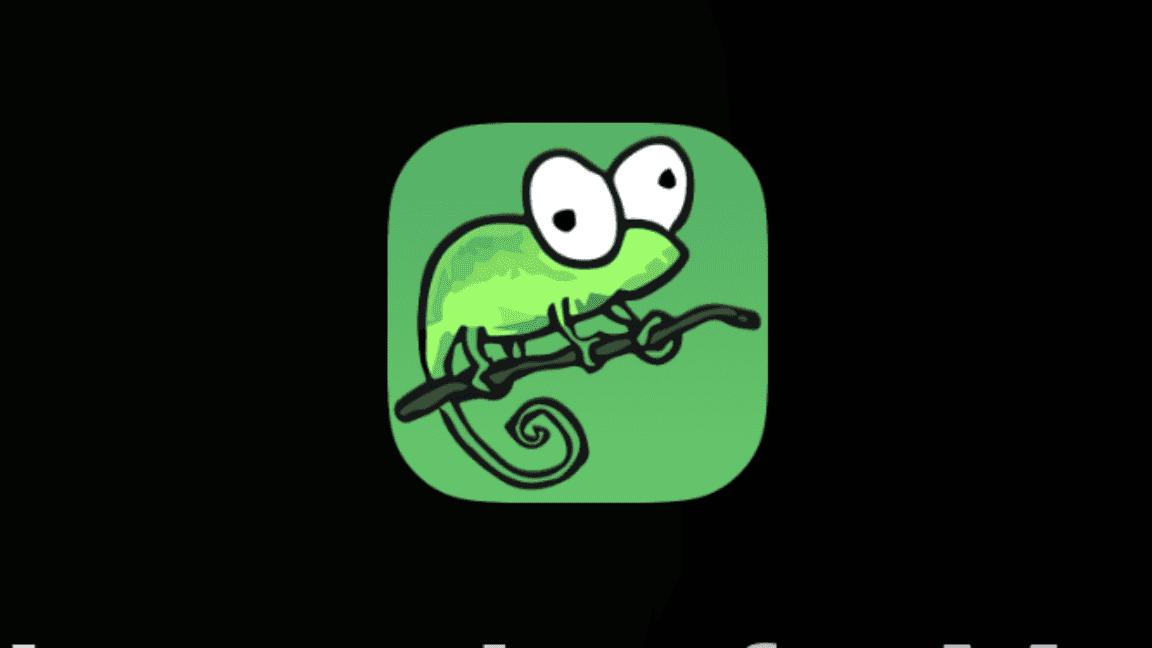
- Official Status: Notepad++ for Mac does not exist.
- The Controversy: An unauthorized macOS port used the Notepad++ name without permission, claiming to support Big Sur through Sequoia.
- The Creator: The port was partially generated using Anthropic’s Claude CLI and was eventually removed by Cloudflare at the request of founder Don Ho.
- Current State: The app has rebranded to "NextPad++" and updated its assets (logo, URL) to remove misleading branding.
- Takeaway: For developers, this highlights the risks of relying on AI-generated code and the importance of trademark enforcement in open-source software.
🎯 Introduction
The internet is buzzing about the arrival of a Windows classic making its way to macOS: a new Notepad++ for Mac port. It looked legitimate—complete with syntax highlighting, line numbering, and a native Cocoa interface. However, actual creator Don Ho swiftly squashed the rumors, revealing the tool was never sanctioned.
This situation is a crash course in the chaos of modern software development, where AI tools like Claude can write code in hours, but legal battles can stop them all day. It’s not just about an editor; it’s about who owns the numbers you type into them on a Mac.
🧠 Core Explanation
What happened was a mix of technical ambition and a lack of business maturity. Here is the breakdown of the situation:
- The Launch: An app appeared called "Notepad++ for Mac."
- The Confusion: Tech media fell for it. The app boasted compatibility with macOS 11.0 (Big Sur) on both Intel and M1/M2 chips. It wasn't a translation; it was a native Cocoa port, making it technically impressive.
- The Reveal: The developer, Andrey Letov, claimed the app expanded the brand. Ho disagreed, noting that confusion would lead to users with broken software and trademark lawsuits.
- The Conflict: Letov refused to back down initially. He claimed he was building on the brand.
- The Resolution: Ho pushed legal boundaries by reporting the site to Cloudflare. The site was pulled. Letov, realizing the tide had turned, began rebranding to NextPad++ (an homage to NeXT) and swapped the lizard logo for a frog.
🔥 Contrarian Insight
"Code quality is irrelevant if you don't own the rights to the name—especially when AI is involved."
Most developers cheered a native Mac port of Notepad++. However, the thoughtful nature of this port was actually its Achilles' heel. Because it was so polished—using native UI frameworks and proper notarization—it looked more like the real deal than most amateur open-source forks.
This teaches us that perceived legitimacy does not confer legal legitimacy. In the age of AI, anyone with a credit card can spin up a "native-feeling" app in a weekend. Don Ho isn't just protecting a file type; he is protecting millions of hours of human maintenance and trust.
🔍 Deep Dive: The AI Code Factor
What makes this story particularly spicy for the AI-focused developer audience is the methodology behind the port.
According to reports, the app—both the code and the website—was built using Anthropic’s Claude CLI. Letov used multi-agent setups to scan GitHub issues, split tasks, and even handle UI mockups.
Why this matters for Developers:
- The "Black Box" Problem: AI-generated code is rarely well-architected for long-term maintenance. While it gets the job done, it lacks the "legacy duct tape" that makes mature software like Notepad++ robust.
- Review Fatigue: A developer cannot trust an AI scan for malware to be as rigorous as a human audit. Ho pointing out this trust gap is actually sound engineering practice for any security-conscious dev.
- The Saleable Asset: Open-source maintainers sell the continuity of the project. If the code was spit out by an AI in April and then abandoned next month, it adds zero value to the ecosystem.
⚔️ Comparison: The battle of the icons
| Feature | 🐸 Notepad++ for Mac (UNAUTHORIZED) | 🪨 NextPad++ (CURRENT STATE) | 🐦 Official Notepad++ (Win 7+) |
|---|---|---|---|
| Authenticity | No. Unauthorized use of trademark. | Yes. New, distinct name. | Yes. The gold standard. |
| Container | Native Cocoa App (macOS specific). | Native Cocoa App. | Win32 (Windows specific). |
| Input | CLI + Multi-Agent AI (Claude). | CLI + AI (Transitioning). | Human maintained / Community. |
| Support | Zero. Developer lost interest. | Zero. (Likely to vanish). | Ongoing. Updates still happen. |
| Status | UPDATED: Now "NextPad++ logic" |
🏗️ System Design / User Trust (The Architecture of the Mess)
If we look at this as a system failure, it happened at the Integration Layer. Letov wanted to integrate his AI-generated code into an existing brand architecture.
- The Input: User demand for Windows tools on Mac.
- The Processing: Claude AI CLI generating UI and backend logic.
- The Fail State: The "Trust Layer" failed. The user does not know if the code is malware or if the author can fix bugs. Credits cannot be allocated effectively because AI agents cannot "merge pull requests" like a human.
- The Restoration: Legal pressure (Cloudflare Takedown) + Rebranding (NextPad++).
🧑💻 Practical Value: What Should You Do?
This isn't just news; it's a warning.
- Stop looking for the standard Notepad++ on Mac: It will not launch as a real update soon.
- Do NOT download v1.0.5: If you still have it, delete it. The developer has admitted the site was violating trademark laws, and running unverified AI binaries carries risk.
- Check your Tools: If you use AI to generate code, assume it is for a "throwaway" project right now. Commit attention, not trust.
- Support the real thing: If you need a great Notepad style app on Mac, look at TextWrangler, BBEdit, or Sublime Text. They are vetted, maintained, and ready for production.
⚡ Key Takeaways
- Trademark > Features: A feature-rich editor that violates IP rights is still a liability.
- AI Code ≠ Human Aura: AI can write "native" UI code, but it cannot simulate decades of bug-hunting human discipline.
- Cloudflare > AI Models: Legal mechanisms can kill a website hosted by an AI faster than the AI can fix the database name.
- Rebranding is Urgent: Letov has 24 hours; abandoning the "Notepad++" name is the only way he can keep the app alive.
🔗 Related Topics
- Top 7 Windows Emulators for Mac Developers
- Why Open Source Maintainers Hate Markup: A Deep Dive
- Alternatives to Notepad++ in 2024
🔮 Future Scope
The legal battle continues in the GitHub threads, but the software reality is clear. Unless Don Ho changes his mind and licenses the name, the Mac faithful are stuck with NextPad++.
Expect this to become a case study in "What not to do when monetizing or marketing open-source forks." Expect mobile apps (Android/iOS) to come next—notepad clones trying to use the name to poach users.
❓ FAQ
Q: Can I download the "Notepad++ for Mac" app? A: No. The project was ordered to stop using the name. The app has been rebranded to "NextPad++." The notarized previous version will likely vanish.
Q: Was the code written by AI? A: Yes, the developer confirmed the app and website were partially created using Anthropic’s Claude CLI.
Q: Is there a virus in the old version? A: There is no evidence of a virus, but because it was an unauthorized port, developers like Don Ho argued there is no guarantee the code hasn't been tampered with or is truly secure.
Q: When will the real Notepad++ release on Mac? A: Realistically, never. It’s a Windows-first app and has been for 20+ years. Expect native macOS alternatives instead.
Q: Who is Don Ho? A: The original creator of Notepad++ in 2003, who remains the sole maintainer and trademark holder.
🎯 Conclusion
The Notepad++ for Mac saga is a cautionary tale about the wild west of AI-assisted development. It shows that while the code generation is cheap, the brand reputation is expensive.
Don Ho made the right call. If you are a developer, use this as a reminder: Don't ship what you don't own. Protect your code, but more importantly, protect your identity.
Share This Bit