AI appsChatbotAIAI AssistantAI Agents
Why AI Image Model Releases Dominate Mobile App Downloads
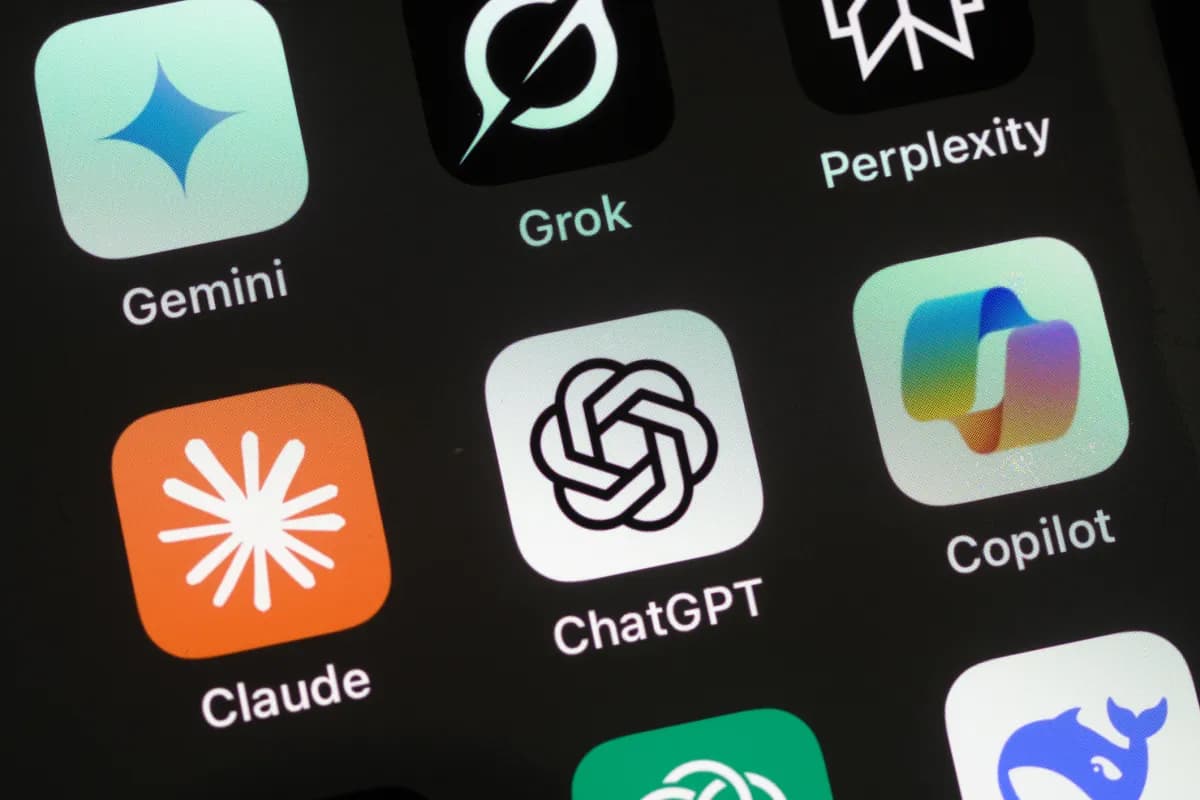
- AI image model releases drive 6.5x more mobile app downloads than traditional text model updates.
- Gemini 2.5 Flash (Nano Banana) drove 22+ million new installs within 28 days.
- ChatGPT GPT-4o image model generated 12+ million incremental downloads and $70 million in spending.
- Viral features = Visuals: Meta AI’s Vibes added 2.6M downloads, proving users favor visual content over text UI updates.
- Downloads ≠ Revenue: While downloads spike, conversion to paid subscriptions remains difficult for mobile AI apps.
🎯 Introduction
When it comes to AI image model releases, the impact on mobile app downloads is undeniable. A new report from Appfigures reveals that peaking developer interest in visual capabilities drives 6.5x more traffic than traditional text model updates. This marks a fundamental shift: the era of text-only conversational AI is over; we are now in the multimodal era on mobile devices.
For developers and product managers, this data signals a tren: If you want your app in the hundreds of millions of app stores, your feature updates must support image or video generation. If you are relying solely on "model strength" updates (e.g., GPT-5, DeepSeek R1) for organic growth, you are leaving revenue on the table.
🧠 Core Explanation
The data from Appfigures indicates a behavioral pivot. Historically, releasing a faster or "smarter" LLM (Large Language Model) was the primary growth driver. That era has ended.
Instead, users are driven by capability. An image generation feature offers an immediate, tangible outcome (a meme, a logo, a portfolio piece) on a phone. A new text model only offers more "neural processing power," which is abstract and uninteresting to the average user scrolling on the bus.
The Key Dynamic:
- Attention Span (Mobile): A screenshot of AI art is instantly shareable. A paragraph of text isn't.
- Curiosity Gap: "My phone can draw now" is a stronger hook than "My phone can write better."
- Feature Update vs. Model Update: This isn't just a backend upgrade; it's a frontend UI change (input field, modal, gallery).
🔥 Contrarian Insight
"Feature updates don't make apps viral; capabilities do."
Most product teams waste engineering hours optimizing the "conversational interface" (the chat bubbles, the prompt engineering UX). But our data shows that users don't check your app for a chat interface—they check it to create content. The obsession with the engine (the 128k context window) is irrelevant if the user experience (UX) hasn't shipped a "Magic Button" that produces cool images instantly.
🔍 Deep Dive: The Data Breakdown
The Heavy Hitters
- Google (Gemini/Nano Banana): After releasing the 2.5 Flash image model (dubbed "Nano Banana"), the app saw a download lift of >4x. This wasn't just a niche update; it was a massive traffic driver.
- OpenAI (GPT-4o): The GPT-4o image model release incrementally added 12 million installs. Notably, this generated over $70 million in gross consumer spending—the highest revenue of the group—proving that while attention is visual, engagement is financial when the product is high-quality.
- Meta AI (Vibes): Meta’s AI video feed launched, adding 2.6 million downloads. It triggered the same "try it out" spike as the image generators but lacked the monetization engine OpenAI built.
The Revenue Curve
This is the critical catch.
- Downloads: Spike immediately after an image model launch.
- Retention: Drops fast once the "newness" wears off.
- Revenue: Remains flat or negative unless the user is already a paying subscriber.
Appfigures notes that while downloads surged, gross consumer spending remained static. This creates a "high-variance, low-margin" growth trap unless the mobile app subscription model is robust.
🧑💻 Practical Value: What Developers Should Do
If you are building or managing a mobile AI app right now, ignore the benchmarks. Here is the actionable strategy:
- Prioritize Visual Features: Stop talking about "model inference speed." Start shipping "vibe check" or "dream board" features. Give users a straight line from prompt to visual output.
- Optimize for "Instant Gratification": Mobile users have bandwidth constraints and latency nerves. If the image generation takes more than 5 seconds on 4G, you lose the user. Ensure your architecture minimizes perceived latency for visual outputs.
- Leverage the "Social Loop": Since image models drive installs, build in sharing features. If a user generates art, make it easy to post to Instagram Stories or X with a click, driving retention.
⚔️ Comparison: Text vs. Visual Release Potential
| Feature Type | App Store Impact | User Attention | Revenue Potential | Marketing Vibe |
|---|---|---|---|---|
| Text Model Update (e.g., GPT-5) | ⭐ (Low) | ⭐ (Low) | ⭐⭐⭐ (Medium) | "More Knowledge" |
| Image Model Update (e.g., 4o, Nano Banana) | ⭐⭐⭐⭐⭐ (High) | ⭐⭐⭐⭐⭐ (High) | ⭐⭐ (Variable) | "Magic" |
| Video/Lifestyle Update (e.g., Vibes) | ⭐⭐⭐ (Medium) | ⭐⭐⭐⭐ (High) | ⭐ (Low) | "Trendy" |
Winner: Image models are currently the best catalyst for download acceleration.
⚡ Key Takeaways
- Downloads Spike: AI image model releases drive explosive growth in app installs, outperforming text-only updates by 6.5x.
- Market Leaders: ChatGPT and Gemini are currently dominating this trend, with GPT-4o adding 12M+ installs and driving $70M in revenue.
- Attention vs. Cash: While image models get eyes on your App Store page, they don't guarantee financial success without a strong monetization strategy.
- Visuals are Lingua Franca: On mobile, visual content performs better than text updates. Users are now demanding multimodal interaction models.
- The Barrier to Entry: As every major player (Google, Meta, OpenAI) releases image capabilities, the "new app store ranking boost" from these features will eventually saturate.
🔗 Related Topics
- Optimizing AI App Performance for Mobile Lags
- The Future of Mobile Multimodal Interfaces
- Feature-Based vs. Model-Based App Roadmaps
🔮 Future Scope
We are quickly moving beyond static images. The next wave of "install drivers" will be interactive video and live avatar models (as seen with Meta's Vibes). Mobile screens are moving from "screens to consume content" to "screens to actively create sounds and moving visuals." Developers who begin optimizing for edge-based video processing now will be ahead of the curve.
❓ FAQ
Q: Do image model updates actually increase paid subscriptions? A: Not directly. The report shows high downloads (traffic) but flat revenue. Most users install simply to try the feature, then abandon the app if they don't see long-term value.
Q: Which app saw the highest revenue impact from an image model? A: ChatGPT's GPT-4o launch led to an estimated $70 million in gross consumer spending, the highest of the apps analyzed.
Q: Why is Meta AI's Vibes feature different? A: Vibes is a video feed model, but it generated significant downloads because it offered a social, relentless stream of content, unlike the "look once" nature of still images.
Q: Is this trend specific to Android or iOS? A: The report analyzed across both, but seamless multimodal capabilities (like Google's "Nano Banana") are particularly leveraged on performant Android devices.
Q: Should I disable text-only features to focus on images? A: No. Text remains the primary conversation driver. You must keep text functionality robust while layering visual features on top to drive download spikes.
🎯 Conclusion
The report reveals a clear winner in the current mobile AI arms race: visuality. AI image model releases have replaced text upgrades as the primary engine for growth. However, developers must be wary: getting users to download your app is no longer the hard part; getting them to stay and pay is.
The path forward is not building a better chatbot, but building a more compelling, visually responsive mobile experience.
Share This Bit