AIAnthropicxAI
xAI Compute Deal Explained: Anthropic's Strategic Pivot and the Rise of the AI Neocloud
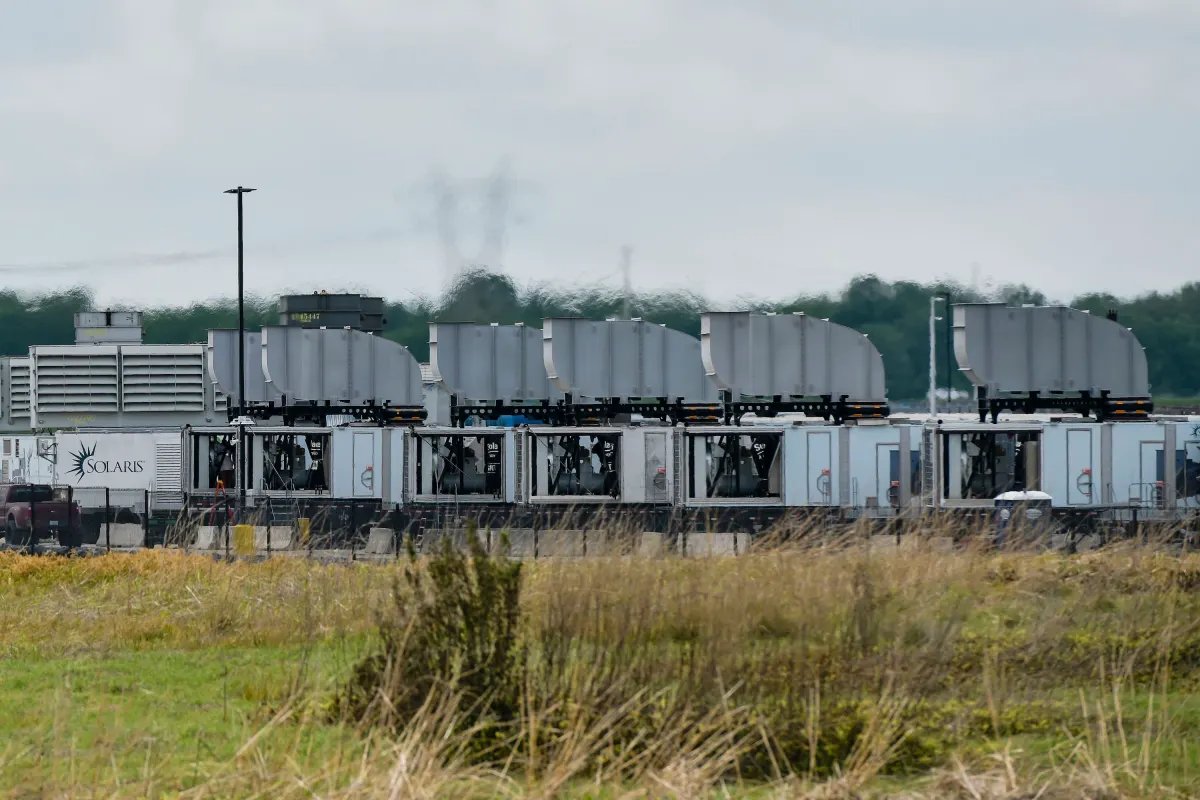
- The Bigger Picture: Anthropic has acquired the entirety of xAI’s compute capacity at the Colossus 1 data center in Memphis, Tennessee, effectively turning the facility into an exclusive environment for enterprise AI needs.
- The "Neocloud" Shift: This deal signals a major pivot for xAI from developing its own frontier AI models to acting as a utility-grade provider of raw GPU resources.
- IPO Pressure: Industry analysts view this infrastructure monetization strategy as a "heat check" ahead of a potential public offering of SpaceX.
- Market Reality Check: The move suggests xAI does not currently require its massive infrastructure for consumer-facing model training, forcing a rethink of its business model amidst competition from other frontier labs.
- Infrastructure as a Business: A growing number of AI companies are choosing to rent out excess compute rather than waste capital building proprietary models that may not find market fit.
🎯 Introduction
The latest xAI Anthropic deal marks a seismic shift in the artificial intelligence infrastructure landscape. In a surprising turn of events, Anthropic has secured a full contract to utilize Colossus 1 — xAI’s massive Tennessee data center — to power its enterprise-focused AI products. This move not only ensures Anthropic has critical raw power but also reveals a drastic change in strategy for SpaceX’s AI subsidiary, specifically regarding the AI Neocloud model and its impending relationship with an IPO.
The news broke seemingly out of left field during the TechCrunch Equity podcast, where discussants realized that xAI is effectively dismantling its internal competitive viability to serve a larger entity. For developers and investors watching the Fed proven that the "compute race" is shifting from who builds the smartest model to who owns the biggest pipe.
🧠 Core Explanation
To understand the weight of this deal, you have to understand the shift from "Frontier Lab" to "Neocloud."
Traditionally, AI companies like OpenAI, Anthropic, and eventually xAI, exist to train LLMs. They spend billions on Nvidia H100s to make models like GPT-4 or Grok smarter. They are product companies.
However, the definition of the business has broadened recently. The "neocloud" model suggests a company buys massive amounts of hardware (Nvidia chips) and rents that compute out to others, rather than using it strictly for internal model training.
Colossus 1 was rumored to be the most powerful AI supercomputer in the world. By leasing it entirely to Anthropic, xAI is stepping out of the "model race." They are no longer saying, "We will build the chatbot of tomorrow." They are effectively saying, "We have the raw material (power) and we will sell it."
Why this matters: If you aren't building the model, you are in the logistics and utility business. This is a much harder sell to aggressive VCs looking for moonshots.
🔥 Contrarian Insight
"This feels less like a strategic innovation and more like Elon Musk finally buying into the cloud business. It’s the ultimate 'consolidation play'—destroy the potential for internal product competition (by selling Colossus to your biggest rival) to justify a lower valuation margin based on infrastructure density." — Russell Brandom
The Reality Check: Most infrastructure is built for insurance. Companies buy servers just in case they need them. By selling Colossus 1 lock, stock, and barrel to Anthropic, xAI proves they misunderstood their own business. They built a colossus of electricity and silicon to build a product that consumers weren't buying. Now, they are selling the factory instead of the widget.
🔍 Deep Dive / Industry Impact
The "Heat Check" for IPO
In the TechCrunch discussion, commentators noted that this deal is a "major heat check before the IPO."
SpaceX is reportedly preparing to go public. In the current market, investors hate "moonshots." They love tangible assets. xAI going public as a company that "rents GPUs" is a much more believable, audited financial model than one that bets the farm on unsupervised learning research.
- Risk: Lower. (Renting assets is an operational expense/income stream).
- Reward: Modest. (Margins on GPU leasing can be squeezed by Nvidia pricing).
- Narrative: "We are the plumbing of the AI world."
The Shakeup at xAI
The deal falls on the back of a massive internal shakeup. Reports indicate xAI employees weren't even using their own models, Grok, internally. The co-founders (aside from Elon) left. Now, rumors suggest xAI may dissolve as a separate entity entirely and merge back into SpaceXAI.
The logic here is cynical but clear: SpaceX wants to own the brand. If xAI as a subsidiary is struggling to compete, they will likely absorb it completely to present a cleaner, more robust aerospace/tech portfolio to public investors, or use it purely as a silo for their own proprietary pipelines.
Environmental Concerns
The discussion also touched on a critical friction point: The lawsuit against xAI over the environmental impact of Colossus 1. Moving thousands of GPUs generates massive heat and requires gigawatts of power. Selling that capacity to Anthropic monetizes the liability but doesn't solve the environmental PR nightmare xAI is currently navigating.
⚔️ Comparison: The AI Business Model Shift
If we look at the landscape, we can see a fundamental dichotomy in how companies are monetizing compute.
| Business Model | Example | Vantage Point |
|---|---|---|
| The Product Play | OpenAI, Anthropic (Current), xAI (Past) | High Risk, High Reward. You bet the company on building the "smartest" brain. If you win, you own the mind. If you lose, you burn cash. |
| The Infrastructure Play | xAI (Proposed New Direction), Oracle, AWS (AI units) | The "Neocloud" Approach. You own the land, the electricity, and the servers. You become the utility. Lower margins, but you scale revenue simply by plugging in more customers. |
| The Hybrid Play | Meta, Google | They have massive internal fleets but also offer cloud services across their hyperscale infrastructure. |
Verdict: xAI is attempting to crack the code for the Infrastructure Play in an age where "product leaders" are burning more cash than they earn.
🧑💻 Practical Value for Developers & Entrepreneurs
What Should You Do Now?
- Diversify Compute: If you are building an AI startup, relying on a single large GPU provider is dangerous. Anthropic just proved that critical infrastructure can change hands overnight. Look for fragmented compute options (like RunPod, Lambda, etc.) or hybrid approaches.
- Evaluate "Usage" vs. "Capacity": When auditing your own tech stack, ask: Am I paying for capacity (the servers being built) or usage (tokens generated) based on actual demand? Analysts note that xAI struggled because demand (Grok adoption) didn't match capacity. Don't over-invest in idle resources.
- Watch the IPO Tide: If you are in the hardware space (putting together servers, data centers), this news confirms that the volume of capital inflow to the sector is high, but the pockets of VCs are getting deeper and more demanding.
⚡ Key Takeaways
- The Deal: Anthropic leased the entirety of xAI's Colossus 1 data center in Tennessee.
- The Pivot: xAI is shifting from developing frontier AI models to becoming a "neocloud" provider, effectively acting as a rental service for GPUs.
- IPO Strategy: This move is interpreted as a "heat check"—making the business more tangible—to attract investors for a potential SpaceX IPO.
- Internal Shift: Reports suggest xAI employees are shifting away from the company’s own Grok model, and the organization may dissolve and merge back into SpaceX.
- Market Reality: The trend indicates a split in AI infrastructure: those building models and those renting the power to run them.
🔗 Related Topics
- Understanding the Limitations of Current LLMs in Enterprise Workflows
- How to Reduce AI Training Costs Without Sacrificing Performance
- The Infrastructure Race: Why H100 GPUs Are Still King
- Is Zero-Knowledge AI Storage Safe for Developers?
🔮 Future Scope
The most interesting question remains: What is Elon Musk building inside SpaceX if he isn’t building it inside xAI?
If xAI dissolves as a separate entity, Musk's grand plan for a general-purpose AI assistant might be completely absorbed into his existing solar, defense, and aerospace subsidiaries. Alternatively, this headlines might be a calculated distraction while he quietly moves different research teams into a new, undisclosed location. For now, the map is very different from the territory.
❓ FAQ
Q: Why did Anthropic choose xAI's Colossus 1? A: Anthropic faces severe GPU shortages. Colossus 1 provides the immense raw compute power required for their advanced enterprise AI models, which need more capacity than current off-the-shelf Cloud providers offer.
Q: Is xAI going out of business? A: No. xAI is pivoting, not dying. By becoming a provider of raw compute (a "neocloud"), they can monetize their existing expensive infrastructure, but their focus shifts from selling "smart models" to selling "smart power."
Q: What does this mean for the cost of AI? A: At the very high end, infrastructure consolidation can sometimes stabilize prices. However, if xAI proves that renting capacity is more profitable than training models, there could be a rush of capital into the "Infrastructure Play" sector, potentially driving up costs for new model startups.
🎯 Conclusion
The xAI Anthropic deal isn't just about one company renting a computer. It is a manifesto of current market conditions. The frontier of AI innovation has shifted from the research lab to the capital budget. xAI's decision to abandon the "product race" in favor of the "utility race" serves as a stark warning to developers: infrastructure is now the primary battleground, and speed of adoption determines the winner.
Share This Bit